
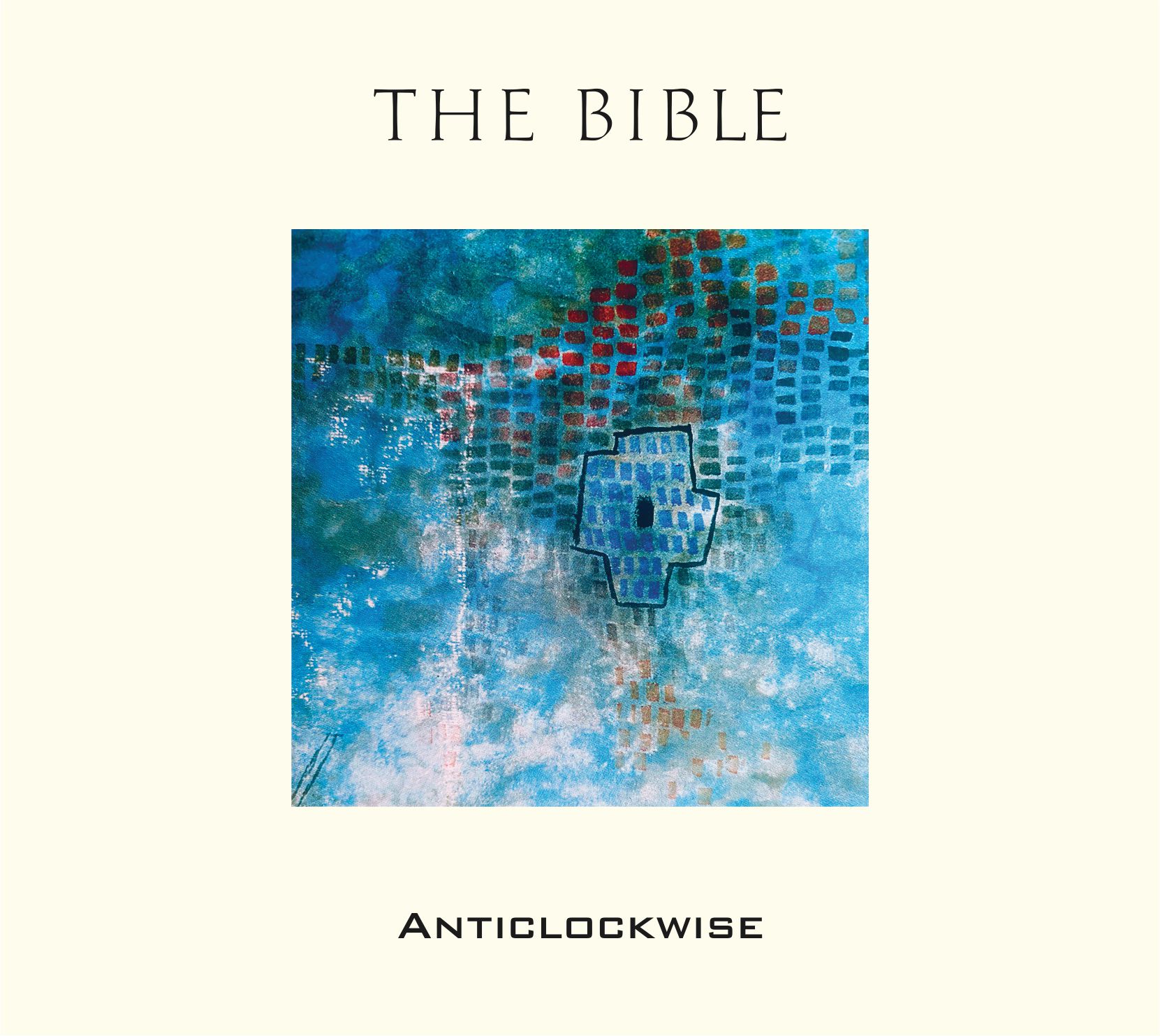
Some records become part of music history through their commercial success. Others become fascinating precisely because audiences never had the opportunity to hear them. British band The Bible are revisiting the latter story with the long-awaited release of Anticlockwise, an album recorded in 1989 that remained unheard for more than three decades.
Originally rejected by the band’s record label, the self-produced collection is finally arriving in November 2026. Its release offers an opportunity to rediscover a significant moment in the band’s creative history and explore a body of work that never received its intended audience.
An Album Left Behind in 1989
During the late 1980s, The Bible were establishing themselves as one of Britain’s distinctive acoustic pop acts. Following their debut album, Walking The Ghost Back Home, and the growing recognition surrounding Eureka, the band had developed a reputation for thoughtful songwriting, intricate arrangements and soulful melodies.
Their single ‘Honey Be Good’ had made an impression on the UK charts, while ‘Graceland’ further strengthened their profile.
With momentum building, the band returned to the studio to record Anticlockwise. However, despite the creative ambition behind the project, the record was rejected by their label and never officially released.
Now, the album finally receives the opportunity it was denied in 1989.
The Creative Partnership Behind the Record
At the heart of The Bible are singer-songwriter Boo Hewerdine and acclaimed guitarist Neill MacColl, whose musical partnership helped define the band’s distinctive sound.
MacColl also brings an important musical heritage to the project. He is the son of influential British folk musicians Ewan MacColl and Peggy Seeger, and the brother of singer-songwriter Kirsty MacColl.
Beyond his family background, Neill has established his own career as a respected musician, working across different musical projects and returning to live performance as musical director for David Gray’s tour following his recovery from cancer.
His involvement in Anticlockwise adds another dimension to the album’s rediscovery.
A Lost Piece of British Acoustic Pop
The Bible’s music combines folk traditions, classic pop influences and soulful songwriting. Their approach places emphasis on emotional storytelling and carefully constructed melodies rather than elaborate production.
For longtime followers, Anticlockwise represents the chance to discover an overlooked chapter in the band’s discography. For new listeners, it offers an introduction to a group whose songwriting remains rooted in a particularly distinctive period of British music.
More than a previously unreleased collection, the album represents the recovery of a musical moment that might otherwise have remained forgotten.

